Why ingrown toenails are more than just a nuisance
Ingrown toenails might seem like a trivial nuisance, but anyone who has experienced one knows how debilitating they can be. Everyday activities like walking, running or even the pressure of bedcovers can become unbearably painful.
Our clinic sees people from all walks of life, tradies in steel capped boots, school children in tight leather shoes, and runners training for their next half marathon, who all share a common problem: a nail that has turned against its owner.
What actually causes an ingrown toenail
Most ingrown toenails develop because the nail and surrounding skin are battling for space.
Tight footwear and improper nail trimming are the main culprits. When people cut their nails too short or scoop out the corners, the nail grows into the skin like a tiny spear.
Combine that with pressure from shoes, and the toe becomes red, swollen and pulsing with discomfort. The body responds by forming extra tissue and, in severe cases, infection can set in.
Modern treatment options (that actually work)
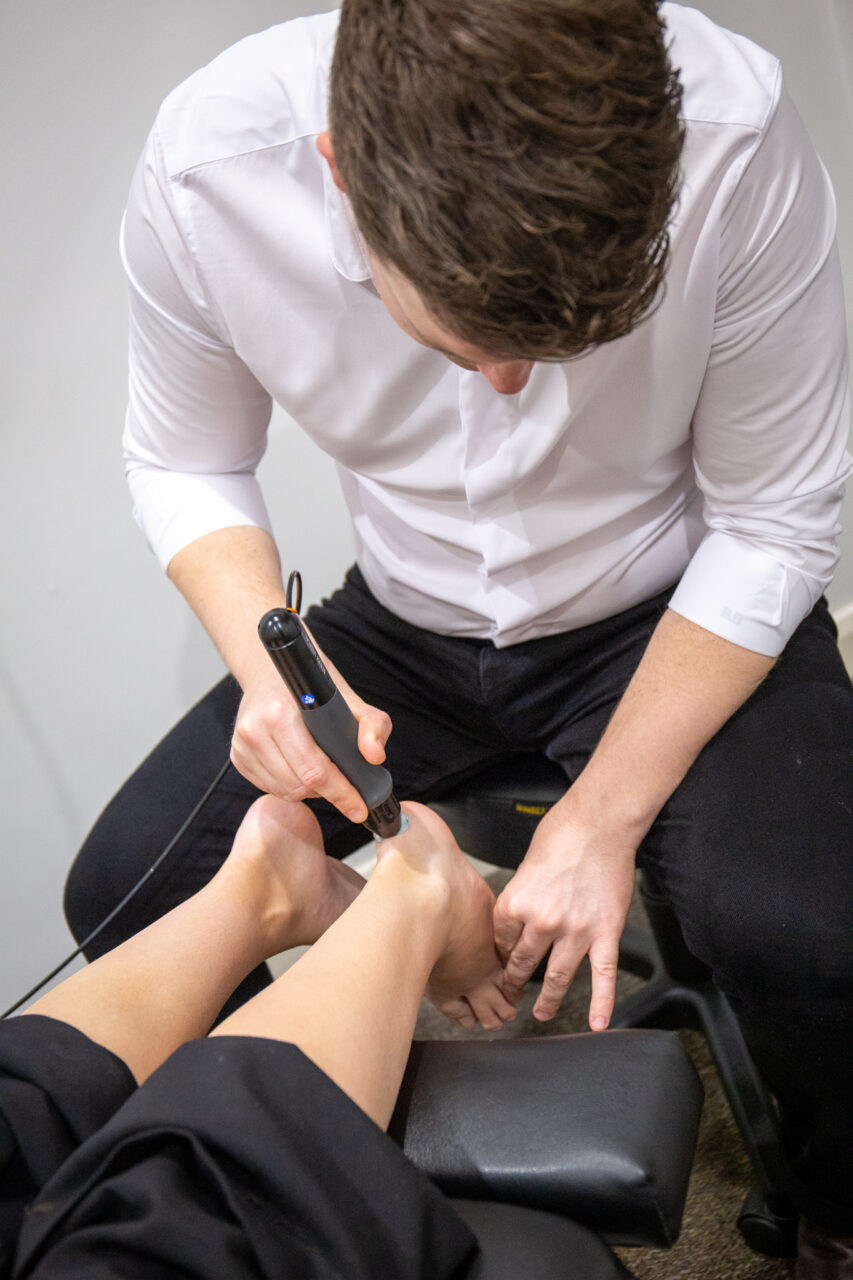
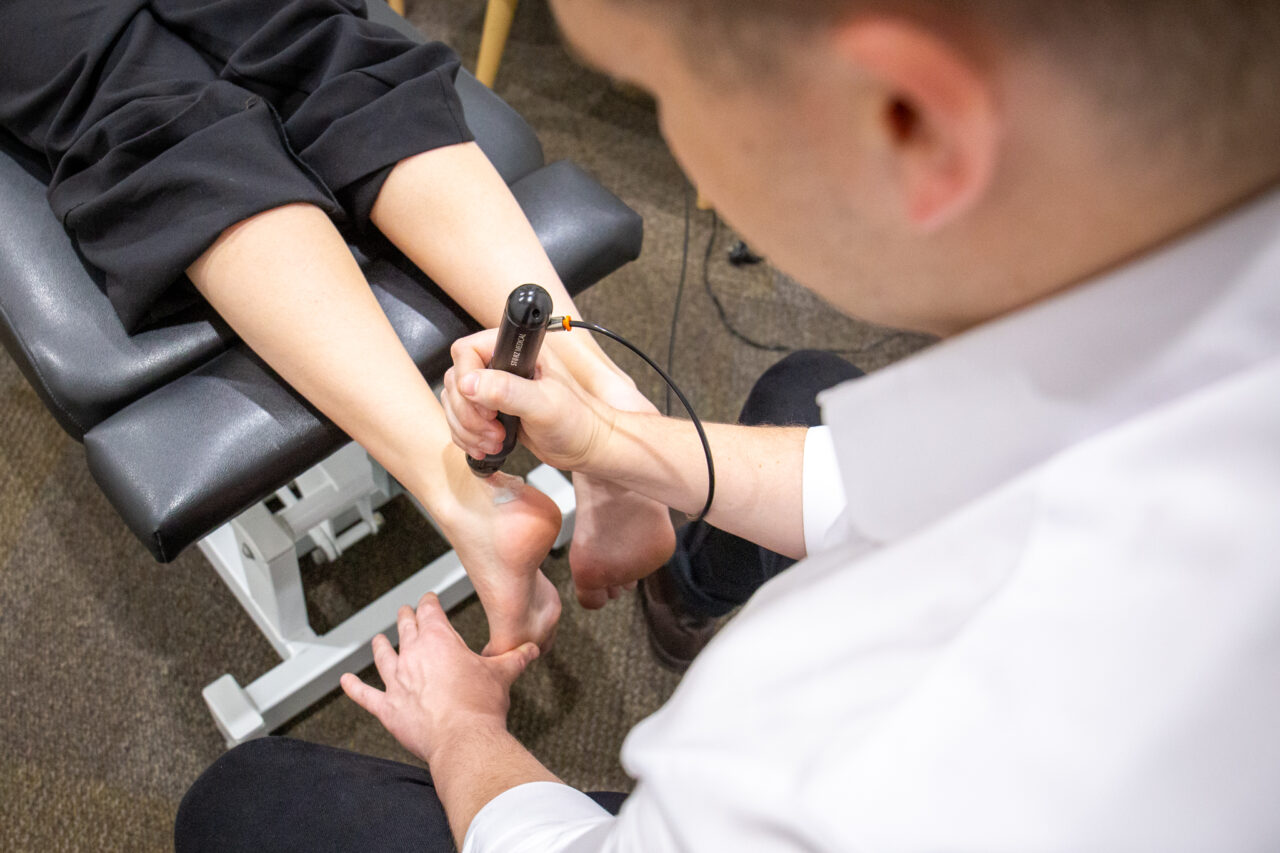
The good news is that you don’t have to live with this pain. Modern podiatry offers simple and effective solutions that many people aren’t aware of.
In some cases, we can use nail correction systems such as Onyfix or Brace N Fix. These are designed to gently guide the nail as it grows, helping to reduce the pressure on the skin without the need for surgery. It’s a non-invasive option that can be a good fit for certain types of ingrown toenails, particularly in earlier or recurring cases.
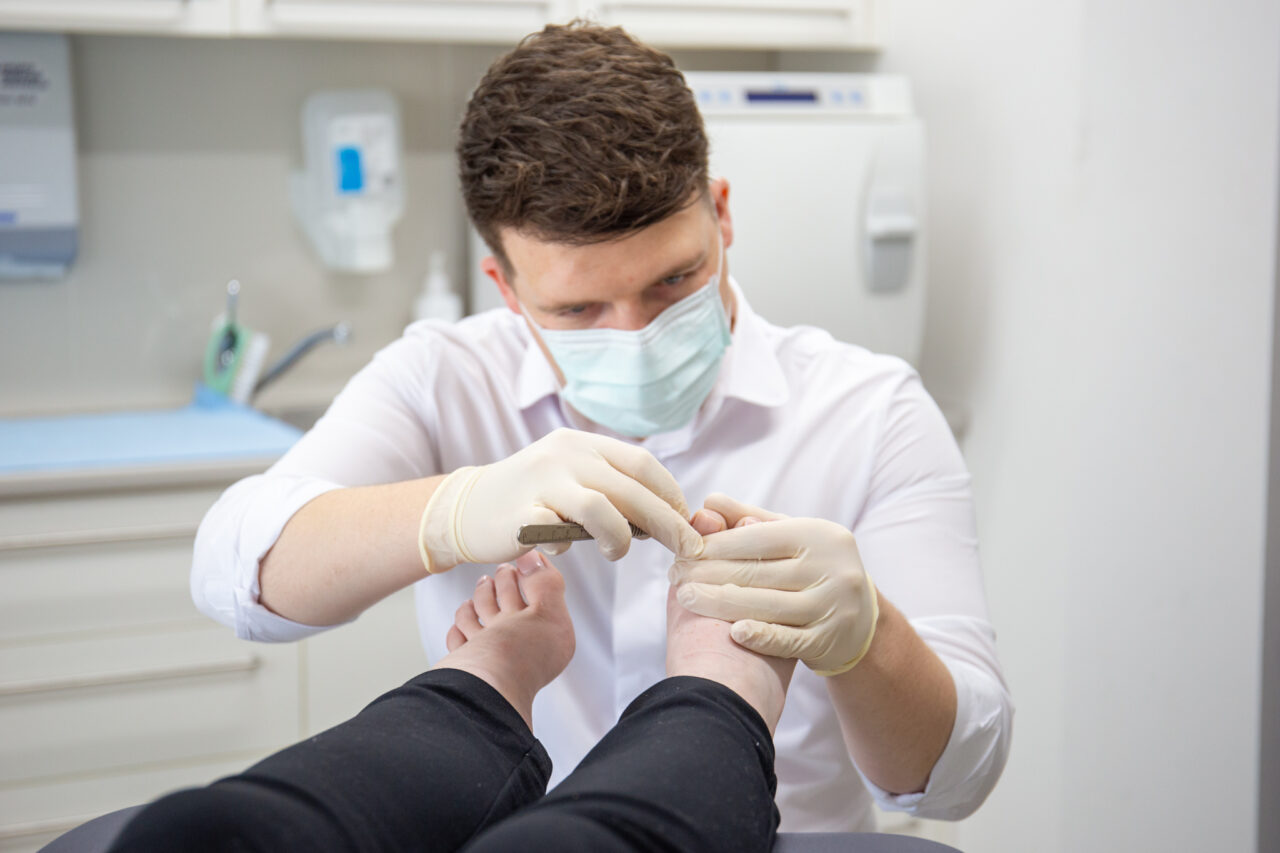
For more persistent or painful ingrown nails, a partial nail avulsion may still be the most effective option. This is performed under local anaesthetic, where the problematic edge of the nail is removed. It’s a quick procedure with minimal downtime, and once healed, the nail looks and feels normal – just without the painful ingrown section.
How to prevent ingrown toenails
Prevention is just as important as treatment.
- Trim your nails straight across (not curved), and leave them slightly longer at the corners.
- Avoid ripping or tearing them.
- Choose shoes with a spacious toe box and soft uppers, and make sure they are laced firmly into the back of the heel.
- If you enjoy pedicures, ensure the salon follows strict hygiene standards and doesn’t dig down the sides of your nails.
- For athletes, moisture-wicking socks and proper shoe fitting can make a big difference.
When to get it checked
If you feel that familiar pinch in your toe, it’s worth acting early.
Keeping the area clean and using a warm salt bath can help, but self-surgery is never a good idea. A podiatrist can prevent a minor problem from turning into an infection.
Ready to end the discomfort?
If you’ve had the same toenail causing issues more than once, it’s worth getting it sorted properly. We see this regularly in our clinic at Riverstone Foot & Ankle Care.