
General podiatry covers the day-to-day issues that affect your feet - skin and nail care, callus management, ingrown nails, and care for older adults or patients with diabetes. We focus on treating the cause, not just the symptom, and providing care that is appropriate for your needs.
Podiatry
General Treatment
Everyday foot care, done properly.
Our approach
Treating the cause, not just the symptom
Our general treatments
Routine and specialist foot care for all ages
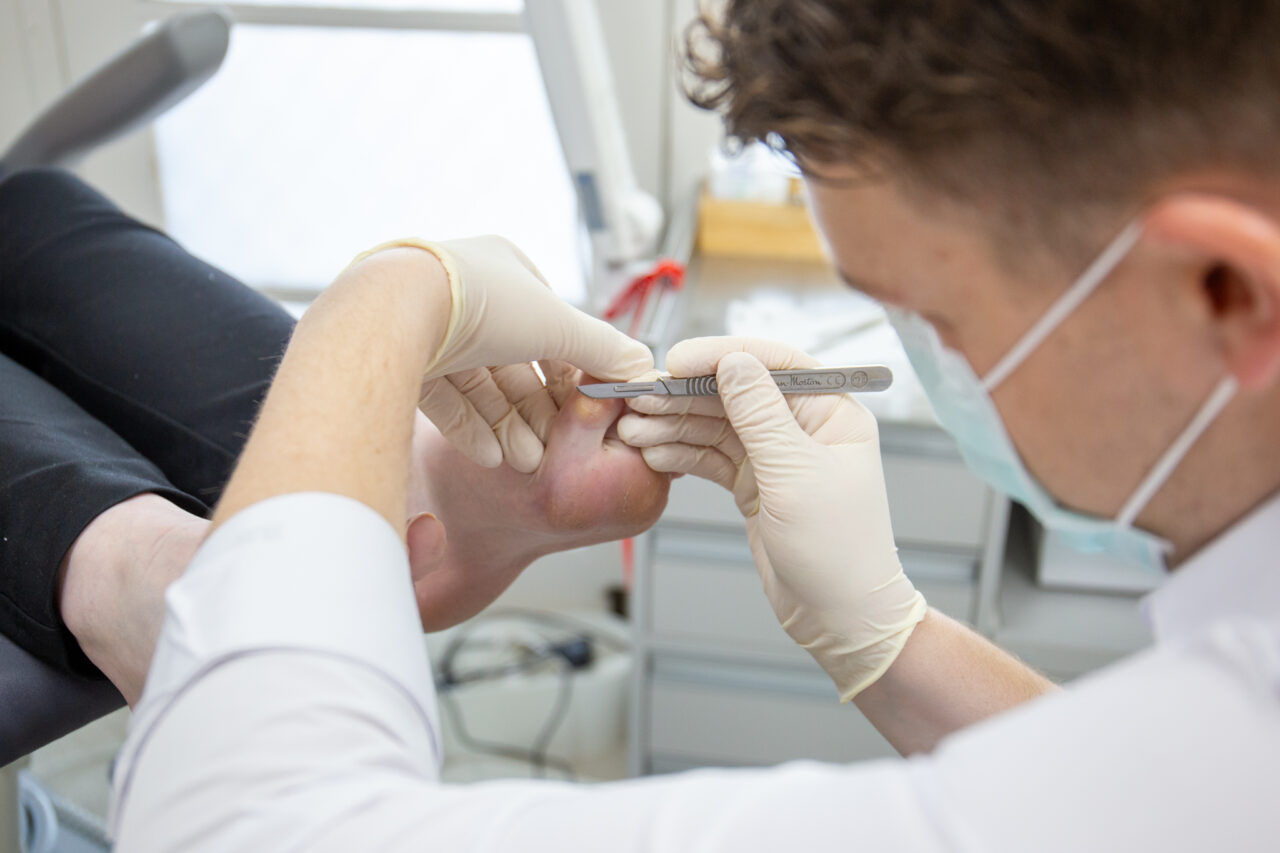
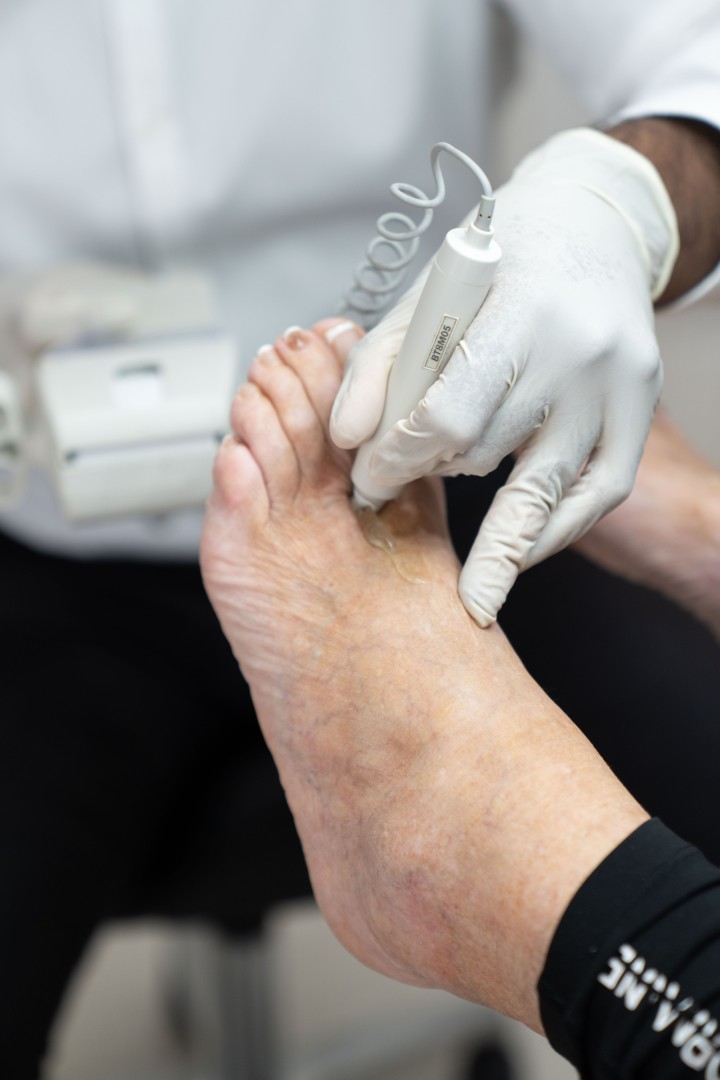
Skin & Nail Care
Skin assessment, callus and corn removal, and routine maintenance for fit, comfort and prevention.
Children's Podiatry
Assessment and treatment of paediatric foot and gait concerns - from in-toeing and flat feet to Sever's disease and footwear advice.
Diabetic Foot Care
Foot health assessments, neurovascular screening, callus and nail care, and footwear advice. We work with Medicare Chronic Disease Management plans.
Nail Surgery
Ingrown toenail surgery (partial and full nail avulsion). We discuss conservative options first and reserve surgery for ongoing or severe cases.
OnyFix® / Bracenfix®
Painless ingrown nail bracing - a non-invasive option for patients who cannot or prefer not to undergo surgery.
Plantar Wart Treatment
Conservative options through to Falkner's needling for persistent cases.
Thick & Fungal Nails
Assessment of cause, reduction of nail thickness, footwear adjustments, and topical or other treatment options.
Prolotherapy
Traditional and lifting-based techniques for tendon, ligament and chronic injury management.
Related conditions
Conditions we treat here
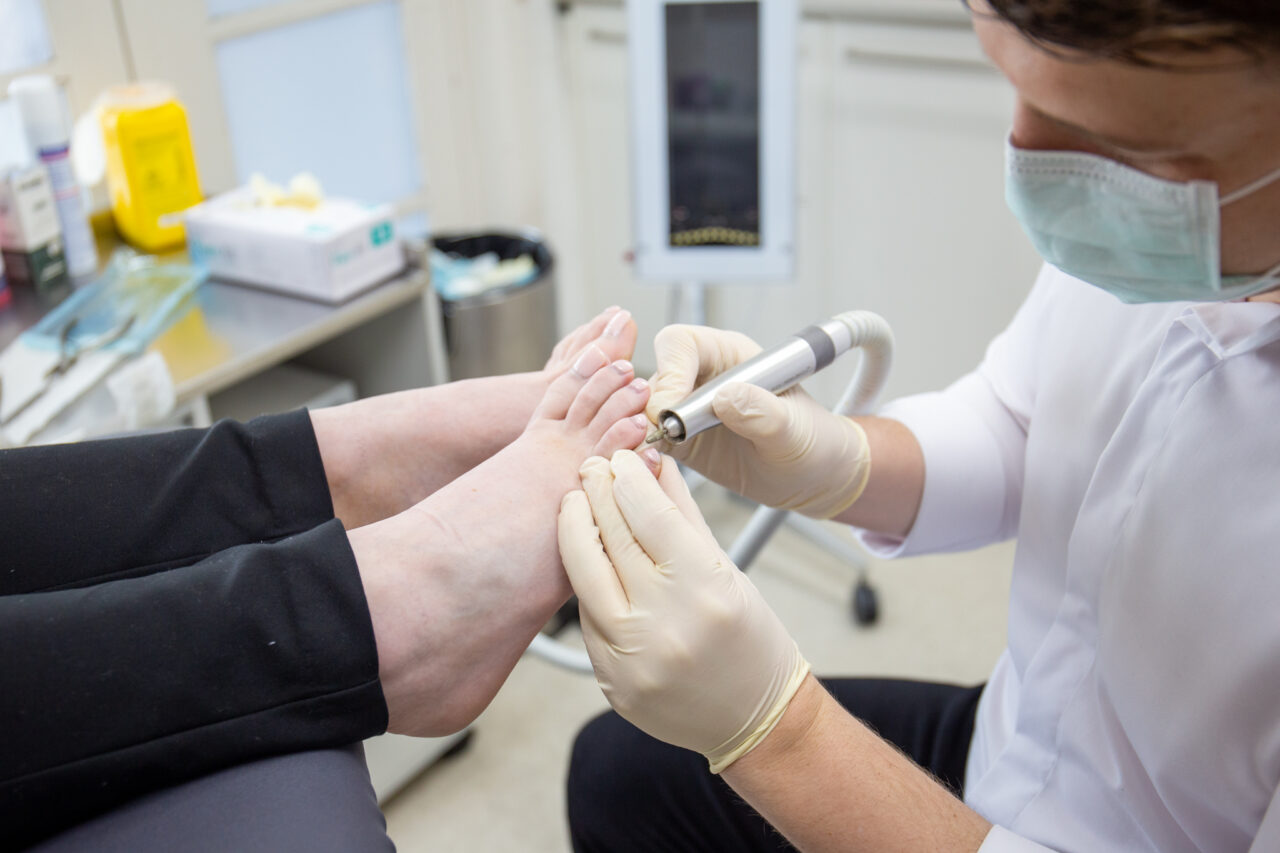
Ingrown Toenails
Ingrown toenails cause persistent pain along the nail edge that rarely resolves on its own - and can become infected if left untreated.
Learn more
Diabetic Foot Care
Diabetes can affect the nerves and blood supply to your feet, often before you notice any symptoms. Regular podiatry care is one of the most effective ways to stay ahead of complications.
Learn moreFAQs
Common questions
Can you help with sports or activity-related injuries?
Yes — we regularly treat a wide range of injuries affecting the foot, ankle, and lower limb. This includes both recent and long-standing issues. We also incorporate strength and conditioning, load management, and rehabilitation to help you return to activity, whether that’s sport, work, or everyday tasks.
Do you treat heel pain?
Yes — heel pain is one of the most common conditions we treat. This includes plantar fasciitis, Achilles-related conditions, bursitis, and growth-related heel pain in children. We focus on identifying the cause and providing targeted treatment.
Do you treat ingrown toenails? Will I need surgery?
Yes — we treat ingrown toenails with a range of options. Not everyone requires surgery. In many cases, conservative treatment is effective. Surgery is usually only considered for ongoing or more severe cases, and we’ll always discuss your options with you first.
Do you treat warts?
Yes — we treat warts and tailor the approach to each patient. We usually begin with conservative treatments and progress to more advanced options if required, including Falkner’s needling for more persistent cases.
What is shockwave therapy?
Shockwave therapy is used for more persistent conditions. It works by delivering controlled pulses to the affected area to help stimulate healing, improve blood flow, and reduce pain. It’s commonly used for tendon injuries and heel pain.
What is dry needling?
Dry needling is used to release tight muscles and reduce pain. It involves using very fine needles to target specific areas within the muscle. This can help improve movement and reduce tension. Most patients tolerate it well, and any discomfort is usually brief.
What is Falkner’s needling?
Falkner’s needling is a treatment used for stubborn or persistent warts. It works by stimulating the body’s immune response to recognise and fight the virus more effectively. It is typically considered when other treatments have not been successful.
Can you help with thick or fungal nails?
Yes. We assess whether the nail changes are due to fungal infection, trauma, or pressure. Treatment may include reducing nail thickness, improving footwear, and using topical or other treatment options where appropriate.
What is prolotherapy?
Prolotherapy is a treatment used to help stimulate healing in injured or weakened tissues. It involves injecting a solution into the affected area to encourage the body’s natural healing response.
We offer both traditional prolotherapy and lifting-based prolotherapy techniques. Traditional prolotherapy focuses on strengthening and supporting damaged tissues, while lifting-based techniques are used to assist with tissue positioning and offloading where required.
This treatment is typically used for tendon, ligament, and chronic injury management.
Is podiatry suitable for all ages?
Yes — podiatry is suitable for all ages.
When should I see a podiatrist?
If you’re experiencing pain, discomfort, or changes in how you walk or move, it’s a good time to have it assessed. Even if you’re unsure, we can help identify the issue and guide you in the right direction.
Can you help with running or walking issues?
Yes — we regularly assess and treat both running and walking-related concerns. This includes reviewing movement, improving technique, adjusting training load, and incorporating strength and conditioning to support long-term outcomes. We also provide footwear advice suited to your activity.
Do you assess footwear? Should I bring my shoes?
Yes — footwear plays an important role in both assessment and treatment. We recommend bringing the shoes you wear most often. Our practitioners have strong experience in footwear and can guide you towards suitable options.
How often should I have routine foot care?
This depends on your needs. For general nail and skin care, most patients attend every 8–10 weeks. If you have ongoing concerns such as callus or ingrown nails, this may be closer to every 6–8 weeks. For higher-risk patients, including those with a history of ulcers or complications, care may be required more frequently.
What are the risks if foot problems are left untreated?
Risks vary depending on the condition. Lower-risk issues may remain stable or slowly worsen. Moderate conditions may lead to increased pain or reduced function. Higher-risk cases, particularly in patients with diabetes, may lead to infection or more serious complications. Early treatment helps prevent these outcomes.
Book your visit
Need help with everyday foot issues?
Book online any time, or get in touch and we will help you find the right appointment.