
Biomechanical podiatry is about how you move. We assess gait, joint function and load to understand why pain or injury is happening - then build a treatment plan that fits your goals, whether that is returning to sport, walking comfortably, or standing through a long workday.
Podiatry
Biomechanical Assessment
Movement-focused care for pain, injury and performance.
How you move
Care built around your movement
The appointment
What is involved
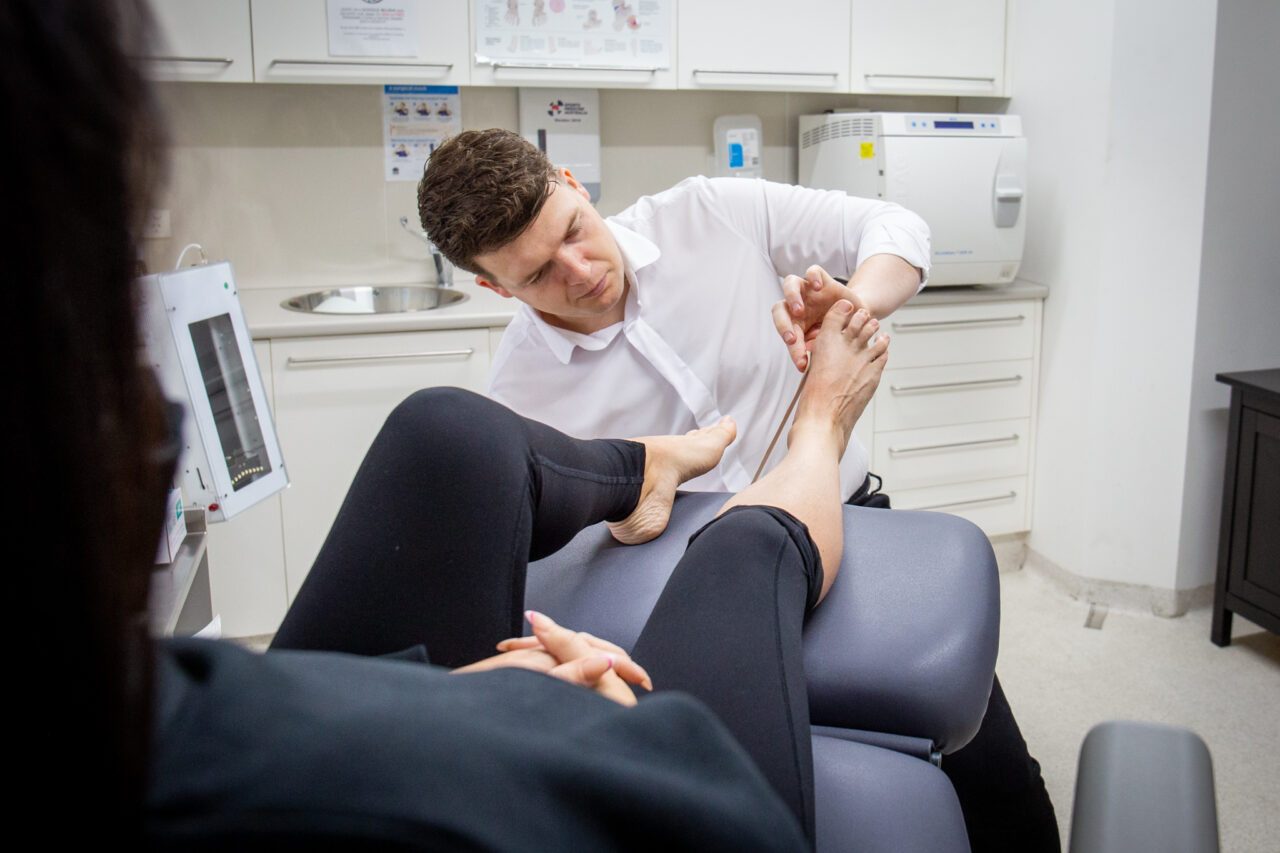
A biomechanical appointment generally runs a little longer than a general appointment, because the assessment is more detailed. We look at your movement, your footwear and any specific concerns, then talk through the options - which may include treatment in the clinic, orthotic therapy, footwear changes, strength and conditioning, or referral if appropriate.
Treatment options
Other biomechanical treatments
Shockwave therapy
For persistent tendon injuries and heel pain.
Prolotherapy
To release tight muscles and reduce pain.
Footwear assessment
Practical advice on appropriate shoes for your activity and condition.
Sports & injury management
Assessment, treatment and rehabilitation guidance for sports and activity injuries.
Custom orthotics
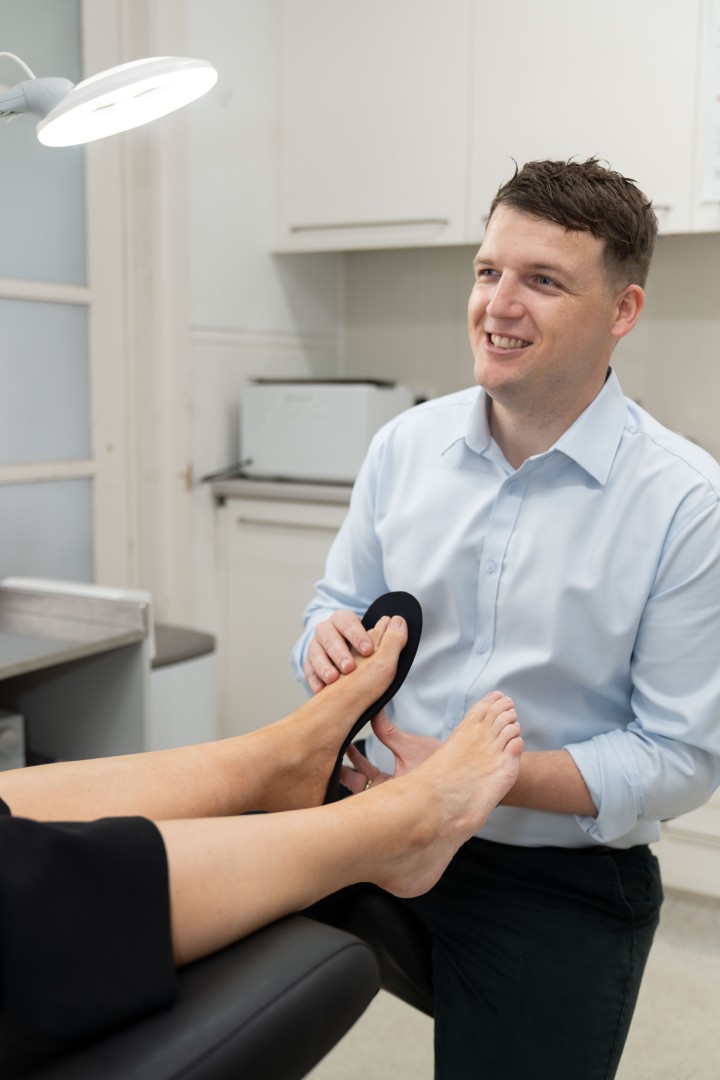
Designed specifically for your foot and your condition, allowing more targeted support and pressure relief, including offloading of areas such as the forefoot. Manufacturing takes around 2–4 weeks after your assessment.
Prefabricated orthotics
Pre-made orthotics that provide general support. They are suitable for many patients and are available immediately.
Related conditions
Conditions we treat here
Plantar Fasciitis / Heel Pain
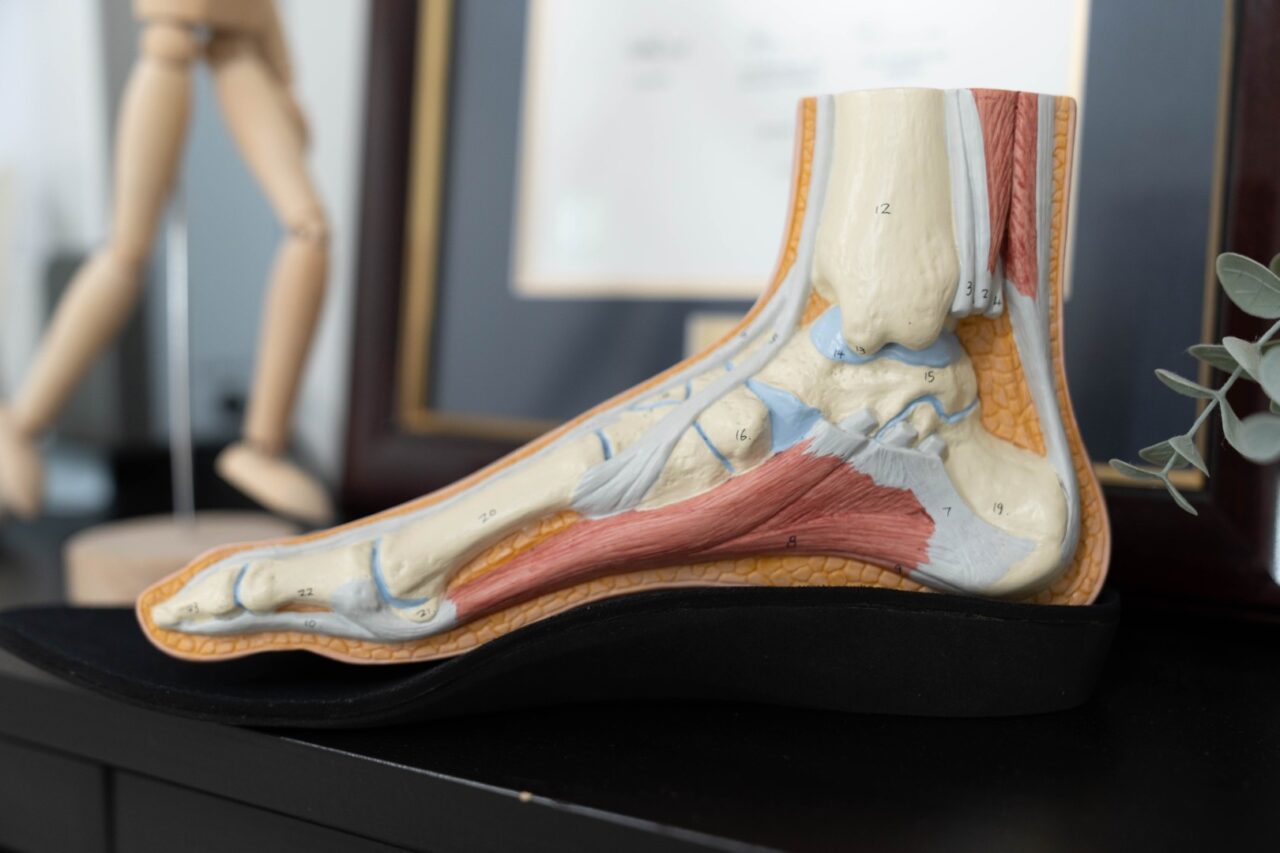
Heel pain from plantar fasciitis is one of the most common foot complaints we see. Without appropriate treatment, it can become a persistent problem that affects your daily activity.
Learn more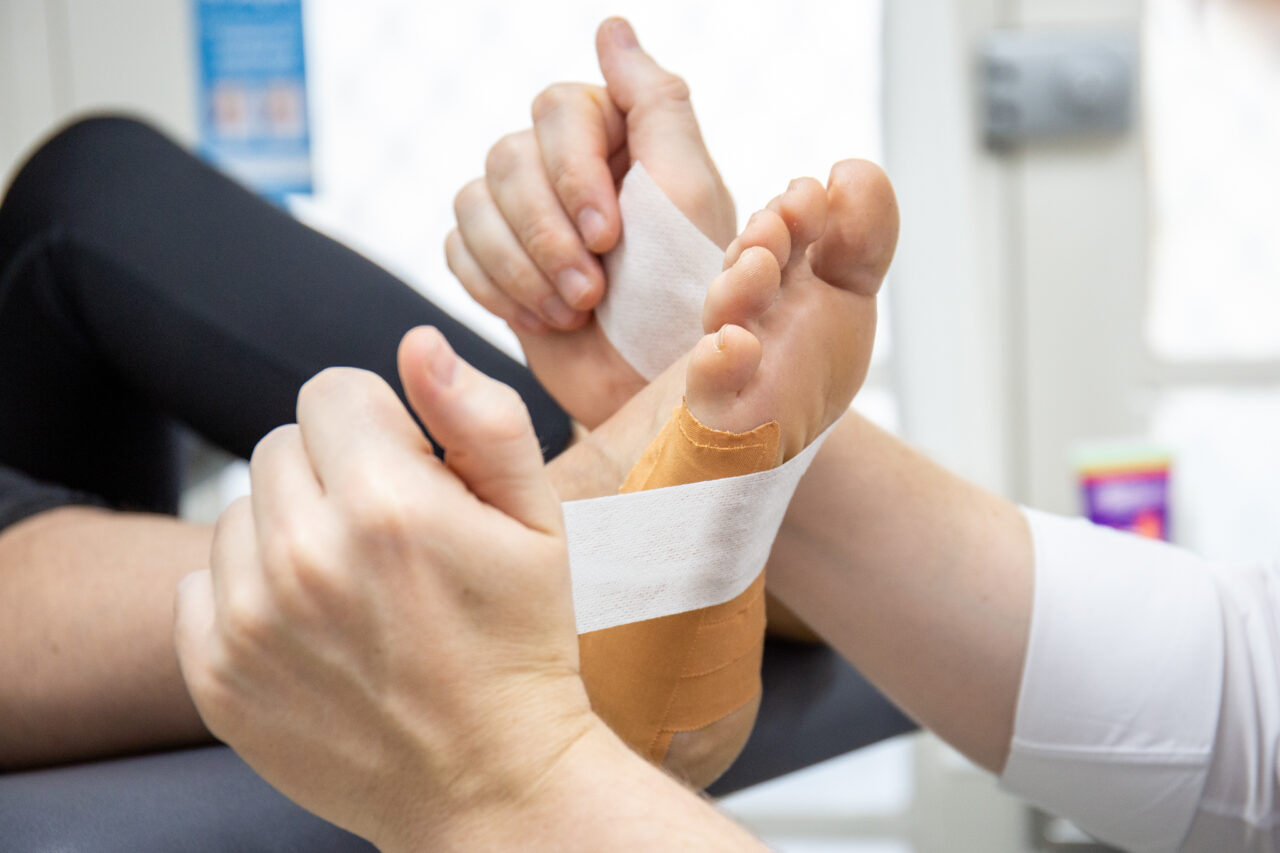
Flat Feet / Fallen Arches
Flat feet are more common than you might think , and not always a problem. When they are causing pain or affecting the way you move, there are effective treatment options.
Learn more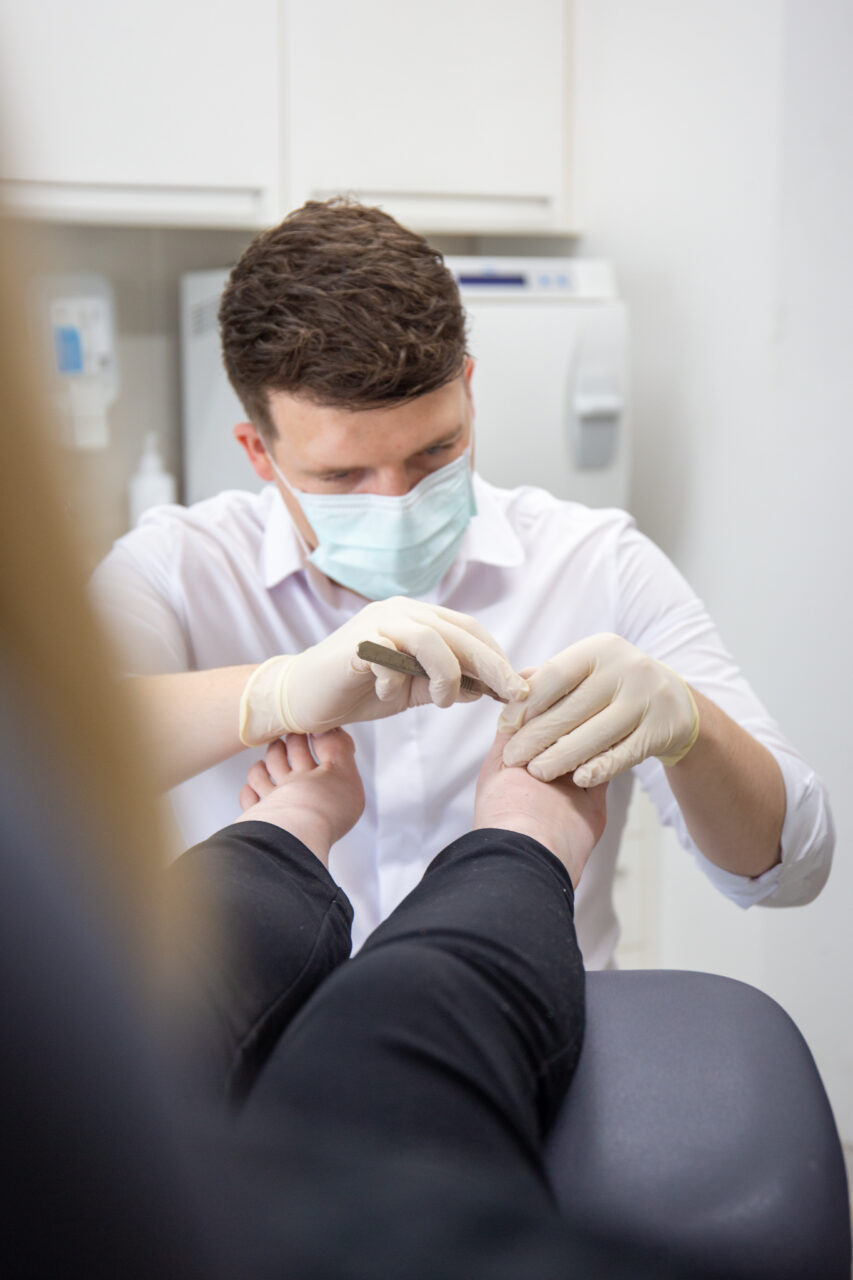
Bunions
A bunion is a bony prominence that develops at the base of the big toe. While it can look alarming, there is quite a lot we can do to manage symptoms and slow progression.
Learn moreFAQs
Common questions
Is podiatry suitable for all ages?
Yes — podiatry is suitable for all ages.
When should I see a podiatrist?
If you’re experiencing pain, discomfort, or changes in how you walk or move, it’s a good time to have it assessed. Even if you’re unsure, we can help identify the issue and guide you in the right direction.
Can you help with running or walking issues?
Yes — we regularly assess and treat both running and walking-related concerns. This includes reviewing movement, improving technique, adjusting training load, and incorporating strength and conditioning to support long-term outcomes. We also provide footwear advice suited to your activity.
Do you assess footwear? Should I bring my shoes?
Yes — footwear plays an important role in both assessment and treatment. We recommend bringing the shoes you wear most often. Our practitioners have strong experience in footwear and can guide you towards suitable options.
How often should I have routine foot care?
This depends on your needs. For general nail and skin care, most patients attend every 8–10 weeks. If you have ongoing concerns such as callus or ingrown nails, this may be closer to every 6–8 weeks. For higher-risk patients, including those with a history of ulcers or complications, care may be required more frequently.
What are the risks if foot problems are left untreated?
Risks vary depending on the condition. Lower-risk issues may remain stable or slowly worsen. Moderate conditions may lead to increased pain or reduced function. Higher-risk cases, particularly in patients with diabetes, may lead to infection or more serious complications. Early treatment helps prevent these outcomes.
Do I need orthotics?
Not everyone requires orthotics, and their use varies from person to person. They can be helpful for reducing strain, improving movement, and redistributing pressure. In some cases they’re used short-term, and in others as part of a longer-term plan. We’ll assess whether they’re appropriate for you during your appointment.
What are orthotics and how do they work?
Orthotics are devices worn inside your shoes to support and guide the way your foot moves. They help reduce strain on tissues, improve alignment, and redistribute pressure, which can assist with pain relief and function.
What is the difference between custom and prefabricated orthotics?
Prefabricated orthotics are pre-made and provide general support. Custom orthotics are designed specifically for your foot and your condition. They allow for more targeted support and pressure relief, including specific offloading of areas such as the forefoot.
How long do orthotics last?
Orthotics typically last between 3 and 5 years. In many cases they can last longer, depending on use, activity level, and materials. Some components such as top covers may wear sooner and can be replaced.
How long does it take to get custom orthotics?
The process usually takes around 2–4 weeks. This includes your assessment and the time required for manufacturing by the orthotic laboratory.
Will orthotics fit in my shoes?
In most cases, yes — particularly if your shoes have a removable insole. Some tighter or dress-style shoes may not accommodate standard orthotics, and alternative options can be discussed if needed.
Book your visit
Got persistent pain or injury?
Book a biomechanical assessment online, or get in touch if you are not sure where to start.