
Flat feet are more common than you might think , and not always a problem. When they are causing pain or affecting the way you move, there are effective treatment options.
By the numbers
Quick facts
For Flat Feet / Fallen Arches
Up to 30%
Of adults have flat feet or low arches
Often both
Feet are affected, not just one side
9 in 10
Cases improve significantly with conservative care
Children
Often outgrow flat feet as arches develop by age 6
At a glance
Know the basics
What it is
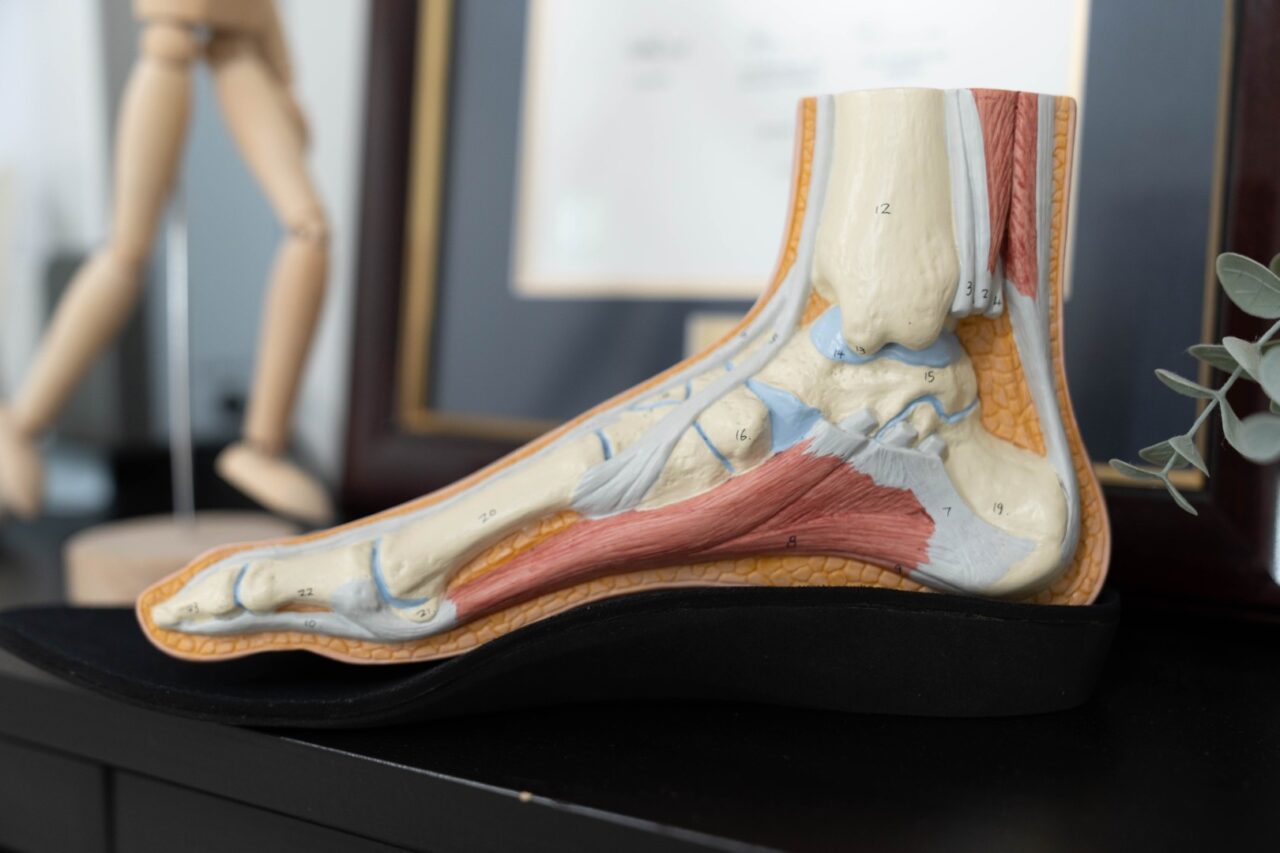
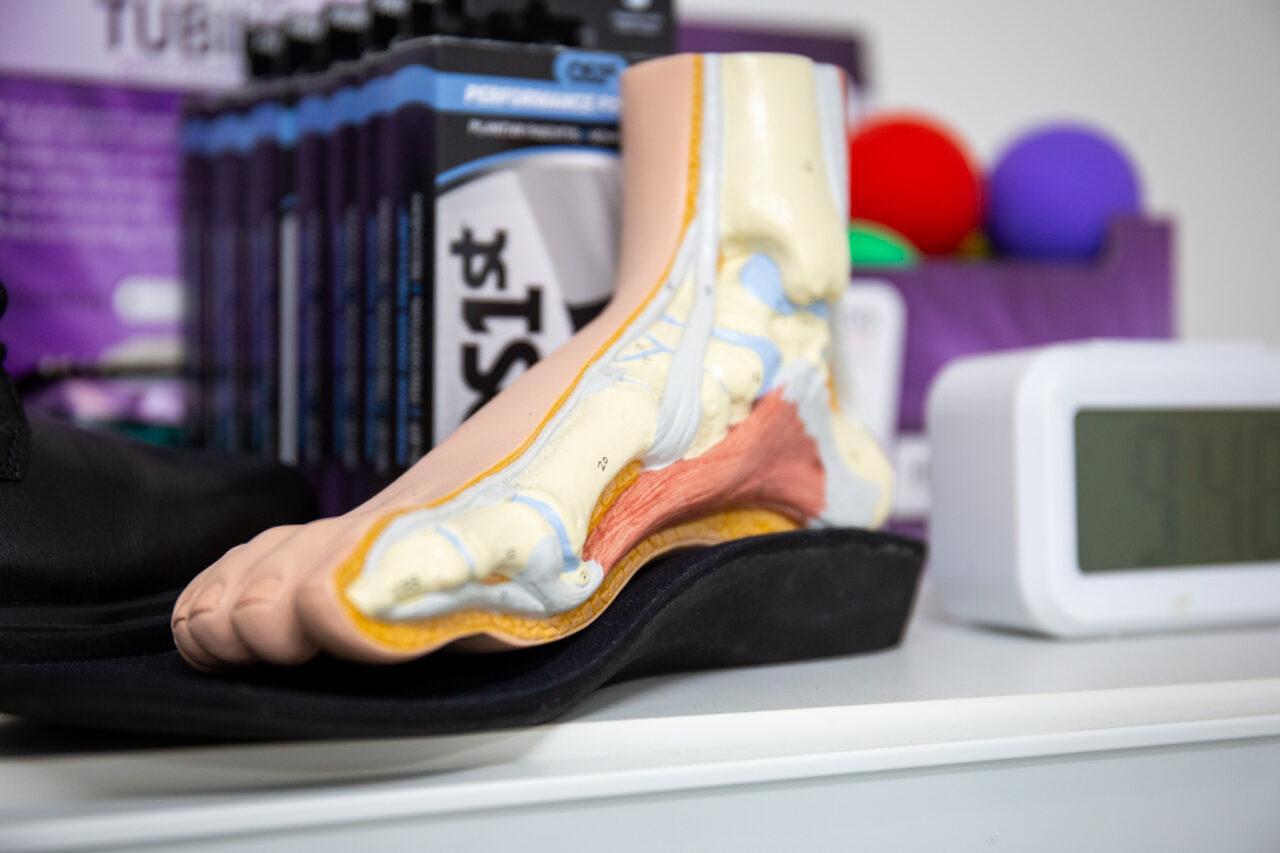
Flat feet (pes planus) refers to a foot posture where the arch has reduced or collapsed, causing the sole of the foot to make more contact with the ground than usual. It is important to understand that flat feet are not automatically a problem – many people have flat feet and experience no pain or difficulty at all.
The concern arises when flat feet contribute to pain, fatigue, or changes in the way you walk. In these cases, assessment and treatment can make a meaningful difference.
Who it affects
- Children under 6, where arches are still developing naturally
- Adults with tibialis posterior tendon dysfunction
- People with a family history of flat feet or low arches
- Those with hypermobility or connective tissue conditions
- People who are overweight or spend extended hours on their feet
Watch for
Common symptoms
Notice any of these? Book a check-up. These signs are often more manageable when caught early.
Foot and leg fatigue
A deep aching or tiredness through the feet, ankles, and lower legs after standing or walking. The muscles work harder to compensate for reduced arch support.
Arch pain
Discomfort along the inner edge of the foot that builds during or after activity. The tibialis posterior tendon, which supports the arch, is commonly involved.
Ankle swelling
Puffiness or swelling along the inner ankle often signals that the tibialis posterior tendon is under strain from supporting a low arch over time.
Shoe wear pattern
Excessive wear on the inner heel and sole of your shoes indicates overpronation, where the foot rolls inward with each step. A clear sign of flat foot mechanics.
Whole-body impact
Flat feet alter your alignment from the ground up. Over time, this can place added stress on the knees, hips, and lower back, contributing to pain in those areas.
Assessment
How we assess it
We carry out a biomechanical assessment to understand your foot structure, arch height, and how your feet move during walking or activity. We also assess footwear, joint flexibility, and muscle strength to build a full picture of what is driving your symptoms.
Treatment
How we treat it
Treatment focuses on reducing symptoms and addressing the contributing factors. Options may include:
- Orthotic therapy to provide arch support and improve load distribution
- Footwear advice – choosing shoes with appropriate structure and support
- Strengthening exercises to improve foot and lower limb muscle function
- Activity guidance and load management
Many patients see significant improvement with relatively straightforward changes.
Related Conditions
Conditions we also treat
Book your visit
Experiencing pain or discomfort from flat feet?
Book an assessment and we'll work out what is contributing and the best approach for you.