
Diabetes can affect the nerves and blood supply to your feet, often before you notice any symptoms. Regular podiatry care is one of the most effective ways to stay ahead of complications.
By the numbers
Quick facts
For Diabetic Foot Care
1 in 4
People with diabetes will develop a foot complication during their lifetime
Up to 80%
Of diabetes-related amputations are preventable with regular foot care
Annual
Diabetic foot assessments are recommended for everyone with diabetes
Early care
Is the most effective way to avoid serious complications
At a glance
Know the basics
What it is
Diabetes can have significant effects on the feet, primarily through two mechanisms: peripheral neuropathy (reduced sensation) and peripheral vascular disease (reduced blood flow). Both increase the risk of complications, including infections, ulcers, and in serious cases, more severe outcomes.
The good news is that regular, appropriate foot care substantially reduces this risk. Early detection and monitoring are the most effective tools available.
Who it affects
- Anyone with Type 1 or Type 2 diabetes
- Higher risk with longer diabetes duration
- Poor blood glucose control increases risk significantly
- Smokers and people with cardiovascular disease
- Regular monitoring is recommended regardless of current symptoms
Watch for
Common symptoms
Notice any of these? Book a check-up. These signs are often more manageable when caught early.
Nerve changes
Peripheral neuropathy caused by diabetes can produce tingling, numbness, pins and needles, or a burning sensation in the feet. In some cases, sensation is lost entirely.
Slow wound healing
Reduced blood flow means even minor injuries can take much longer to heal. A small cut or blister that persists beyond two weeks needs prompt professional attention.
Skin breakdown
Reduced immune response and poor circulation increase the risk of infections taking hold. Recurring skin breakdown or foot ulcers in pressure areas need close monitoring.
Circulation signs
Skin that appears pale, red, or purplish, or feet that feel noticeably cooler than normal, can indicate reduced blood flow and should be assessed promptly.
Nail changes
Thickened, discoloured, or brittle nails are common in people with diabetes and can become a source of infection if not managed with regular podiatry care.
Callus build-up
Calluses form over pressure points and can develop into ulcers beneath the surface if left untreated. Regular podiatry care includes safe removal and offloading strategies.
Assessment
How we assess it
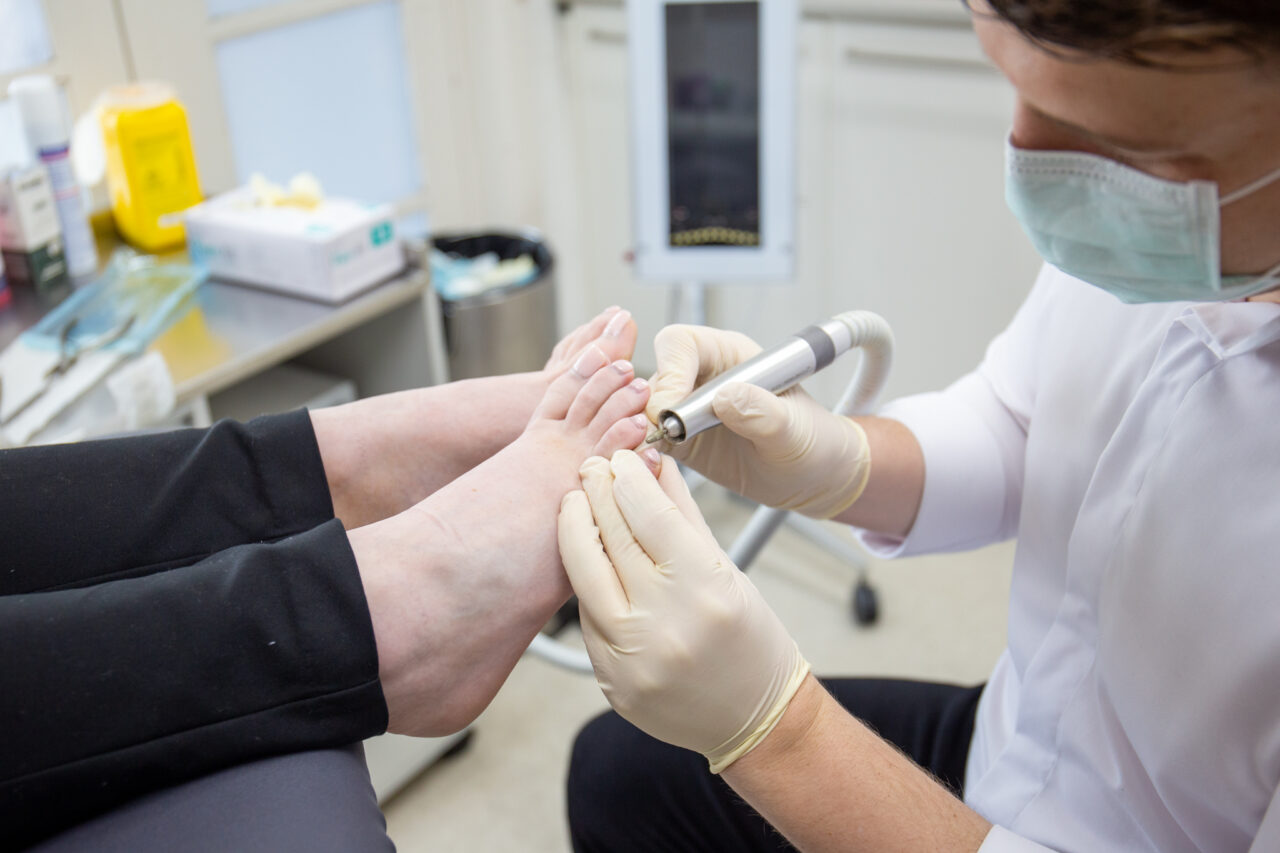
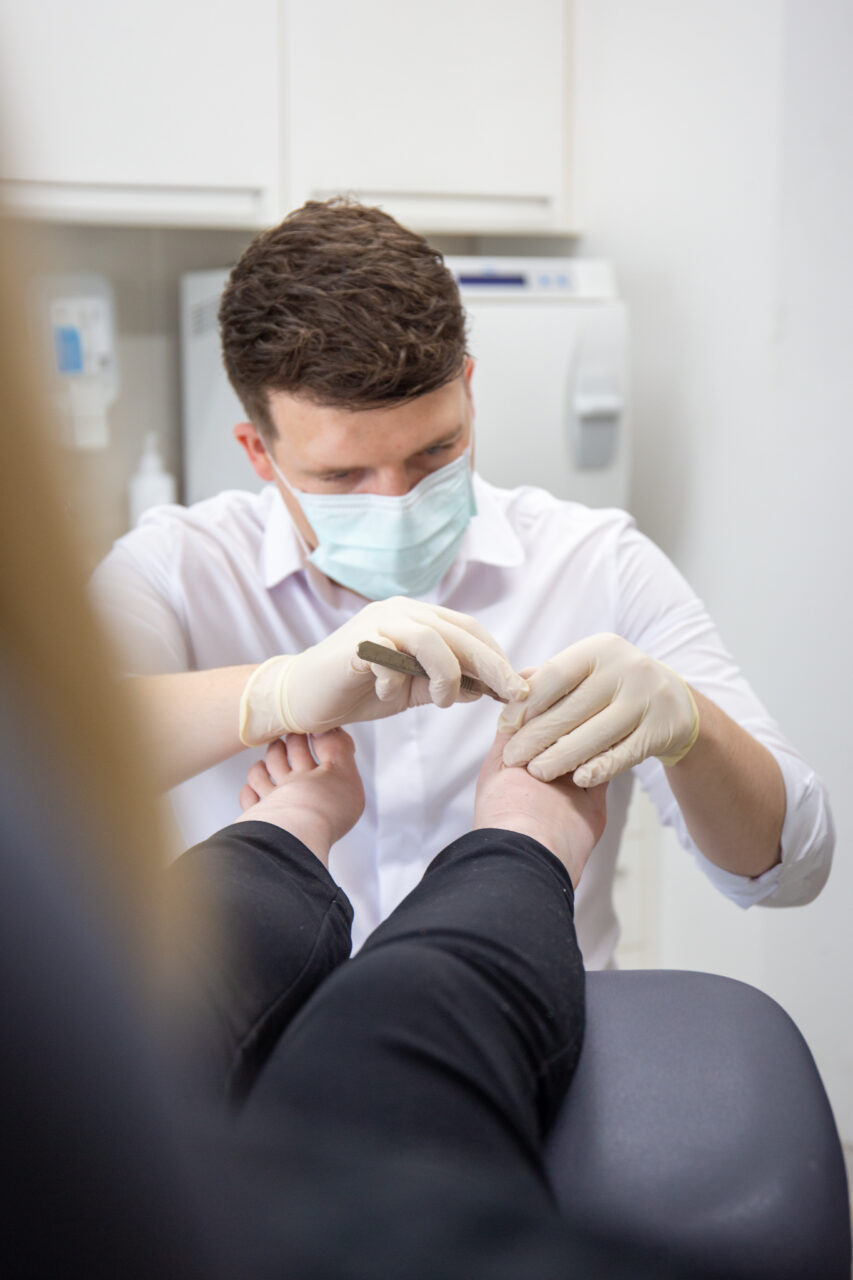
Our comprehensive diabetic foot assessment includes neurovascular screening to check blood flow and protective sensation, along with a full inspection of the skin, nails, and any areas of concern. We use this to stratify your risk level and determine how frequently monitoring is needed.
We can assist patients under Medicare Chronic Disease Management (CDM) plans, which may allow eligible patients to access podiatry services with a Medicare rebate.
Treatment
How we treat it
Management focuses on prevention and regular monitoring. Treatment typically includes:
- Regular foot health assessments and risk stratification
- Routine nail and skin care, including callus reduction
- Footwear assessment and advice
- Wound and ulcer management where required
- Patient education on self-examination and warning signs
- Coordination with your GP and other healthcare providers as needed
For higher-risk patients, more frequent appointments are recommended.
Related Conditions
Conditions we also treat

Book your visit
Managing diabetes and want to protect your feet?
Book a diabetic foot assessment - we can work with your Medicare CDM plan if you're eligible.