
Ingrown toenails cause persistent pain along the nail edge that rarely resolves on its own - and can become infected if left untreated.
By the numbers
Quick facts
For Ingrown Toenails
Most common
In the big toe, though any nail can be affected
80%
Of cases resolve without surgical intervention
24 to 48 hrs
Typical time for pain relief after treatment
Preventable
With correct nail trimming technique and footwear
At a glance
Know the basics
What it is
An ingrown toenail occurs when the edge of the nail grows into the surrounding skin, rather than over it. This causes pain, swelling, and – if left untreated – can lead to infection.
The big toe is most commonly affected, though any toe can develop the problem. While often manageable with conservative treatment, some cases require a minor procedure to resolve the issue properly.
Who it affects
- Teenagers and young adults, particularly those with active lifestyles
- People who cut their nails too short or round the corners
- Those who regularly wear tight-fitting shoes or narrow toe boxes
- People with naturally curved, wide, or fan-shaped nails
- Those with a history of nail trauma or repeated friction from footwear
Watch for
Common symptoms
Notice any of these? Book a check-up. These signs are often more manageable when caught early.
Nail edge pain
A sharp or throbbing pain along the side of the nail that worsens with pressure from footwear or activity. Often the first sign that the nail is growing into the surrounding skin.
Redness and swelling
Inflammation around the nail border signals the nail is cutting into the skin. The tissue may appear red and puffy, and feel warm to touch.
Skin overgrowth
As the body responds to irritation, the skin alongside the nail can thicken and appear to fold over the nail corner, making the problem progressively worse.
Signs of infection
Discharge, increased warmth, or an unpleasant odour around the nail suggests the area has become infected. Prompt treatment is important to prevent it spreading.
Pressure sensitivity
Even light pressure from shoes, socks, or direct touch can cause significant pain, making everyday activity uncomfortable until the nail is treated.
Assessment
How we assess it
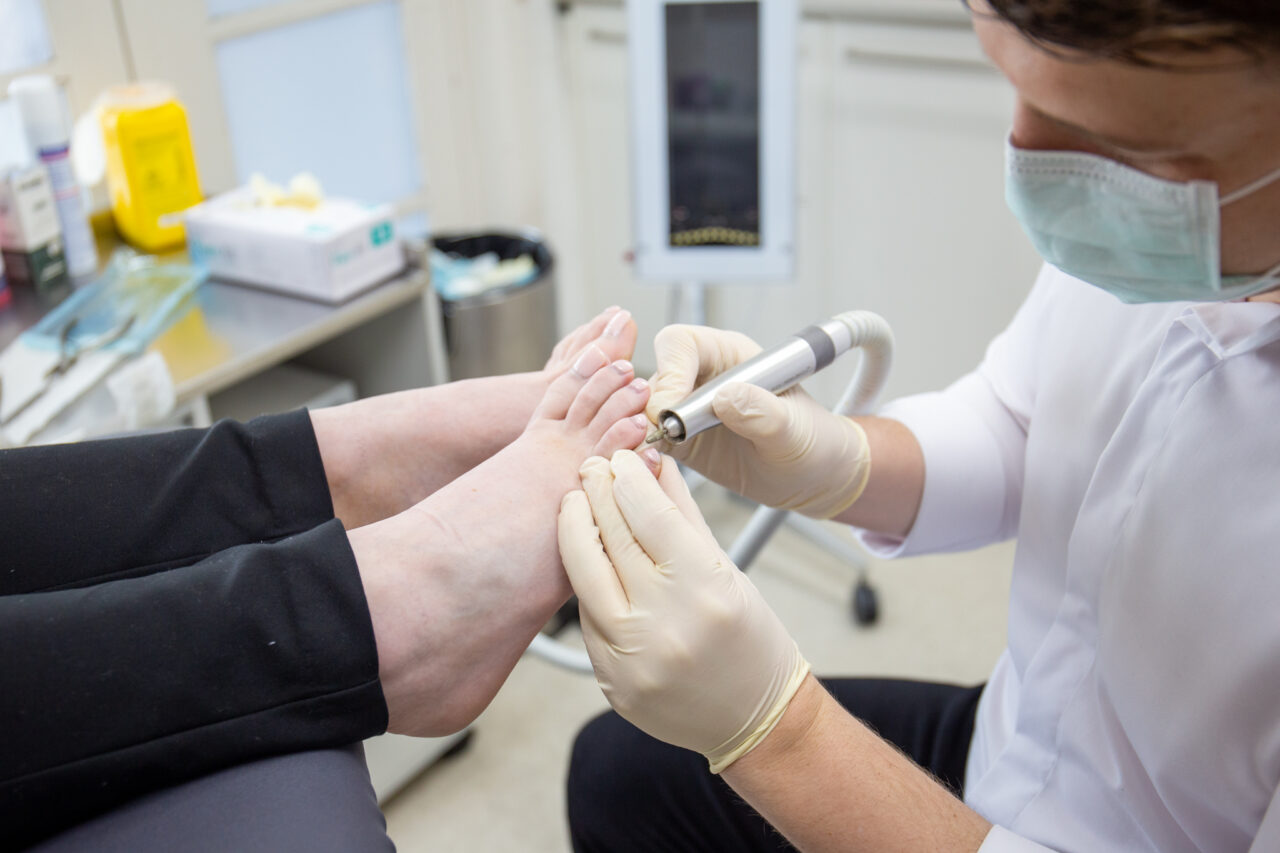
We assess the nail, the surrounding tissue, and any signs of infection. We will also ask about how long the problem has been present and whether you have had ingrown toenails before. This helps us determine the most appropriate course of treatment – and whether conservative options can be trialled first.
Treatment
How we treat it
Not everyone with an ingrown toenail requires surgery. We always discuss your options and start with the least invasive approach where possible:
- Conservative management – careful nail care and footwear advice for mild cases
- OnyFix nail bracing – a non-surgical bracing system that gently lifts and guides the nail, suitable for many patients
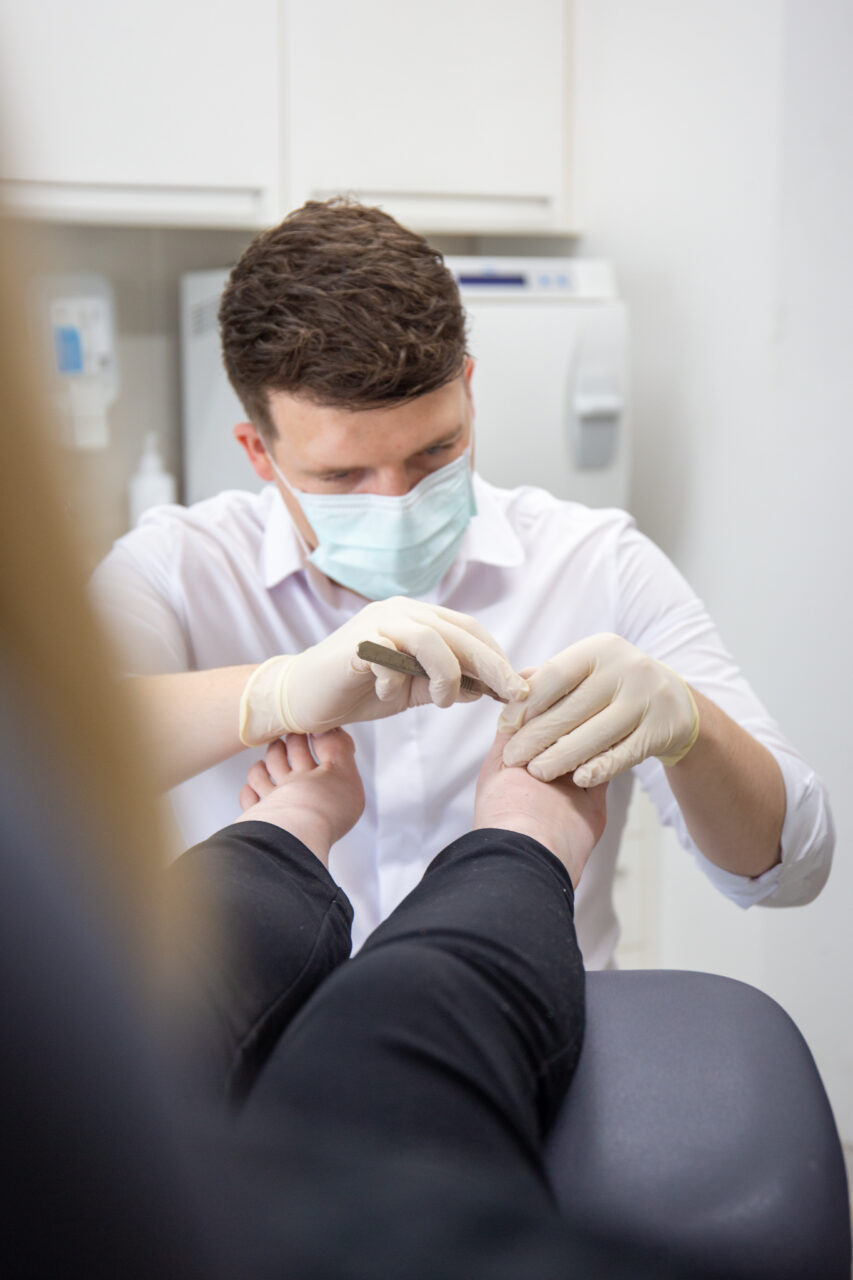
- Nail surgery (partial or total nail avulsion) – a minor procedure performed under local anaesthetic for ongoing, severe, or recurring cases
We will talk through each option with you so you can make an informed decision.
Related Conditions
Conditions we also treat

Book your visit
Dealing with an ingrown toenail?
Book an assessment and we'll find the right approach for you.