
Heel pain from plantar fasciitis is one of the most common foot complaints we see. Without appropriate treatment, it can become a persistent problem that affects your daily activity.
By the numbers
Quick facts
For Plantar Fasciitis / Heel Pain
1 in 10
People will experience plantar fasciitis at some point in their life
90%
Of cases resolve with conservative treatment
4 to 8 wks
Typical recovery time with early management
Most common
Cause of heel pain seen in podiatry clinics
At a glance
Know the basics
What it is
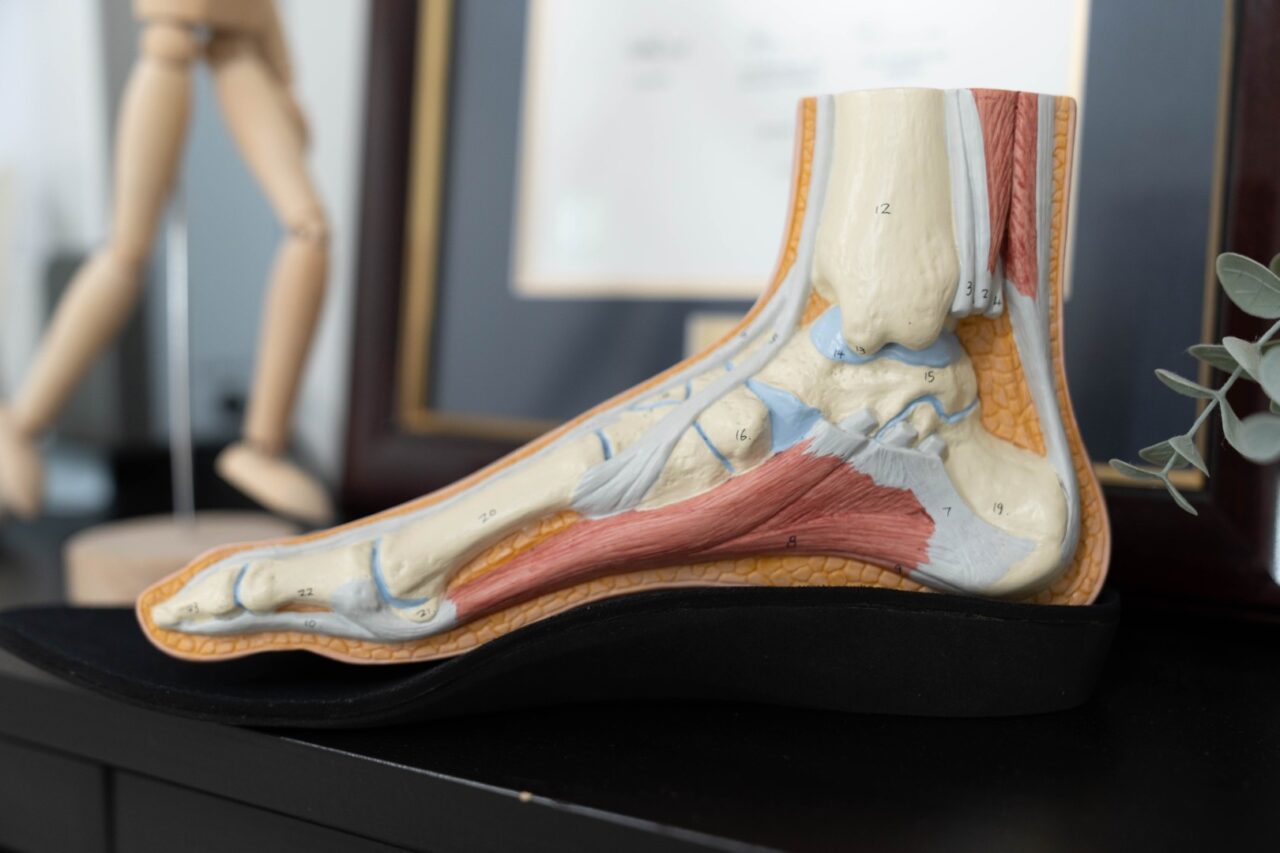
The plantar fascia is a thick band of tissue that runs along the bottom of your foot, connecting your heel bone to your toes. When this tissue becomes overloaded or irritated, it can cause significant heel pain – a condition known as plantar fasciitis.
It is one of the most common causes of heel pain and can affect one or both feet. While it is often associated with activity, it can develop in people of all fitness levels and lifestyles.
Who it affects
- Runners and people who regularly engage in high-impact activity
- Those who spend long hours standing on hard surfaces
- People who have recently increased their activity levels
- Those with tight calf muscles or limited ankle mobility
- People aged 40 to 60, where incidence is highest
- Individuals carrying extra weight, which increases load on the fascia
Watch for
Common symptoms
Notice any of these? Book a check-up. These signs are often more manageable when caught early.
Morning heel pain
A sharp, stabbing pain under the heel that hits with your first steps after waking or getting up from rest. It is the most recognisable sign of plantar fasciitis.
Post-rest pain
Pain that flares after extended sitting, such as at a desk or in the car. It typically eases after a few minutes of moving around, then may return.
Arch or heel ache
A persistent dull ache along the sole of the foot or concentrated under the heel. It often worsens toward the end of a long day on your feet.
Activity-related pain
Discomfort that builds throughout the day with prolonged standing or walking, particularly on hard surfaces or without supportive footwear.
Warm-up and return
Symptoms that ease with gentle movement but come back with intensity after longer or harder activity, reflecting the plantar fascia's limited ability to recover under load.
Assessment
How we assess it
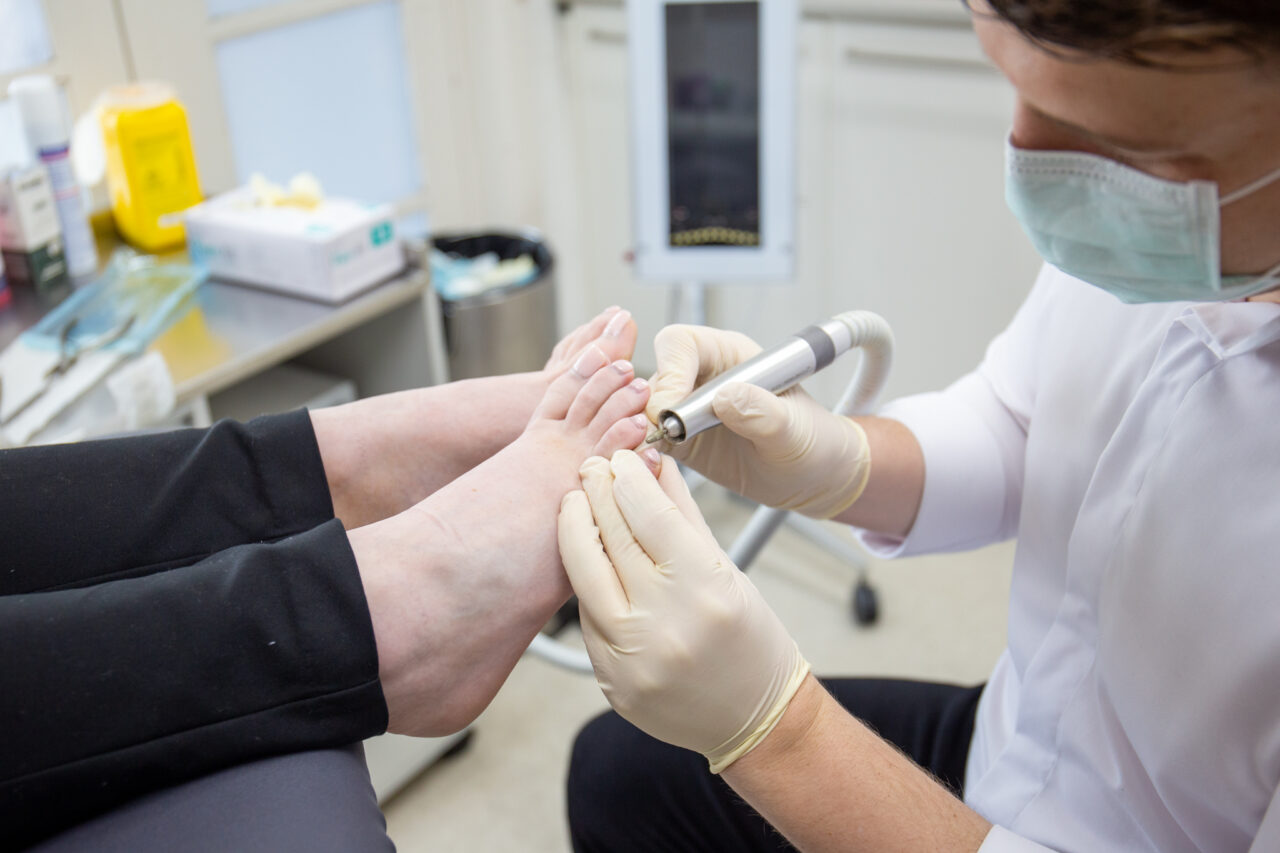
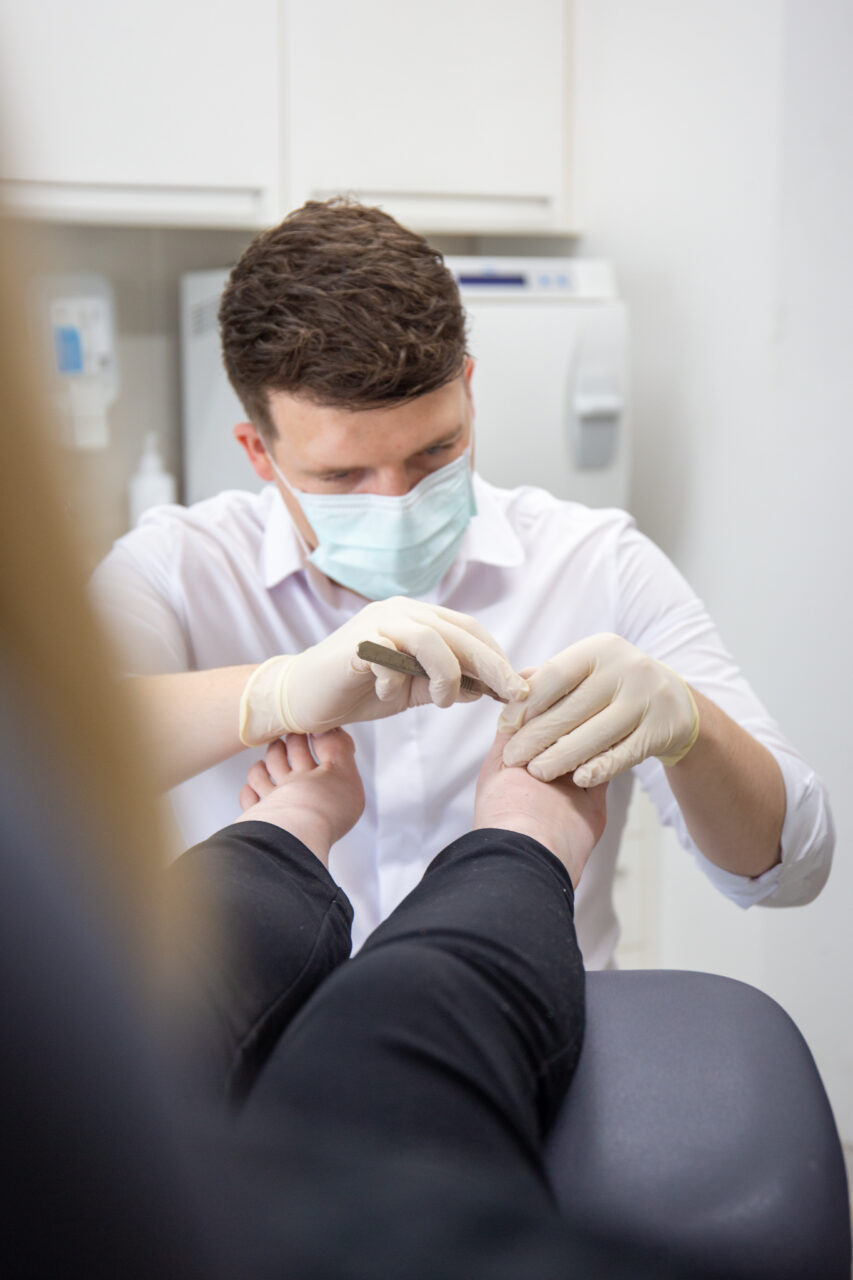
We begin with a thorough history to understand when the pain started, what makes it better or worse, and how it is affecting your activity. We then carry out a biomechanical assessment looking at foot structure, movement, and gait, as well as a review of your footwear.
This helps us identify the specific factors contributing to your symptoms and guide the most appropriate treatment plan.
Treatment
How we treat it
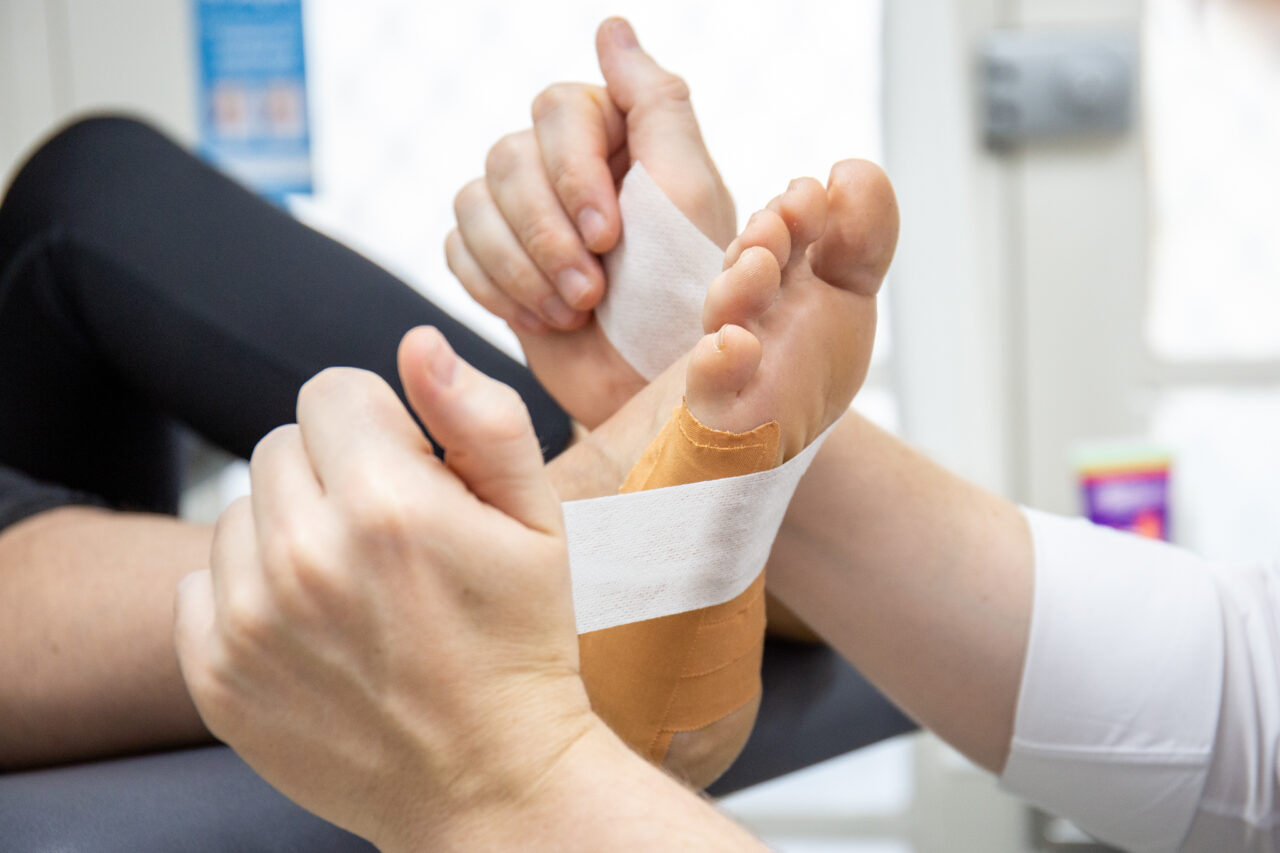
Most cases respond well to conservative treatment. We will address the contributing factors, which may include a combination of the following:
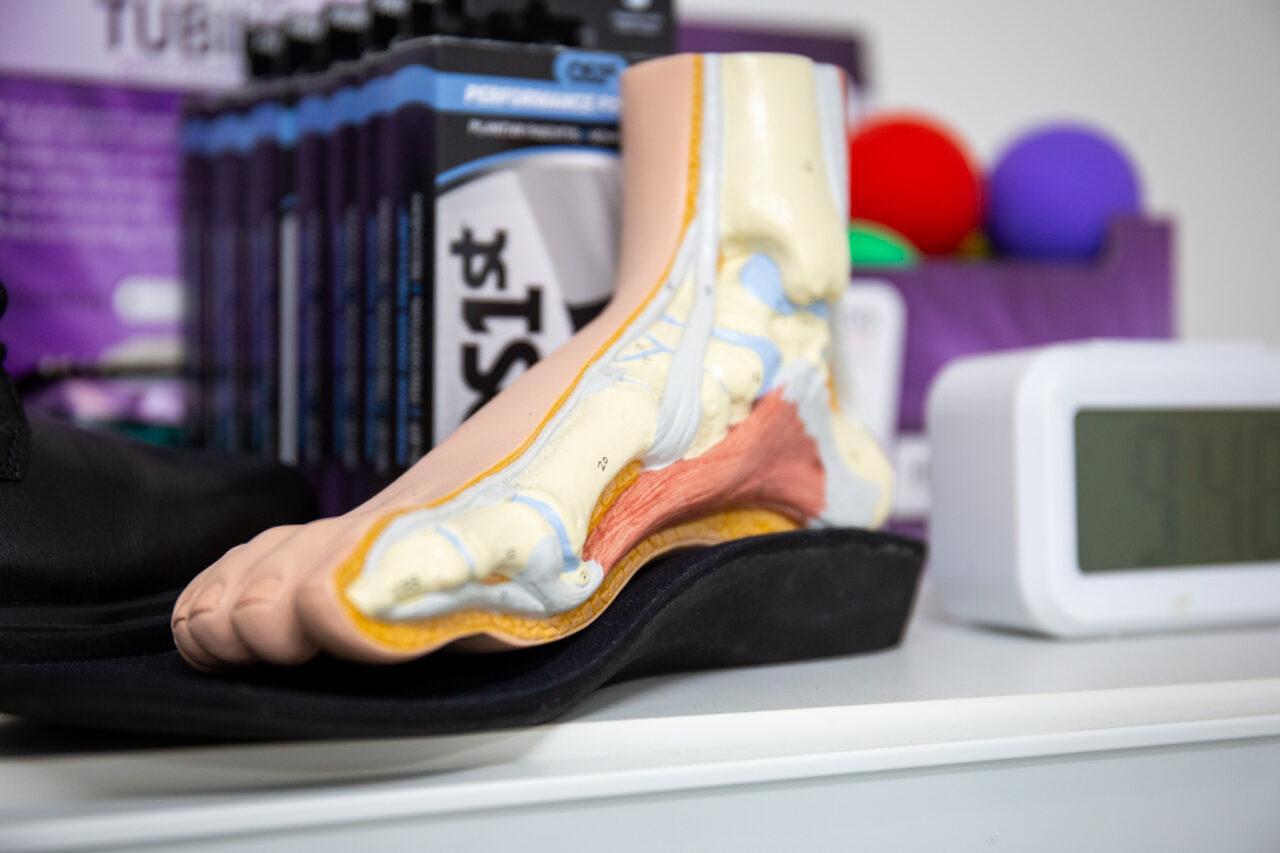
- Orthotic therapy to reduce strain on the plantar fascia
- Stretching and strengthening exercises for the calf and foot
- Footwear advice and modifications
- Load management and activity guidance
- Shockwave therapy for persistent or long-standing cases
We focus on understanding why it has developed, not just treating the symptoms.
Related Conditions
Conditions we also treat
Book your visit
Ready to get on top of your heel pain?
Book an appointment and we'll assess the cause and put together a clear treatment plan.